tnt.so

TNT
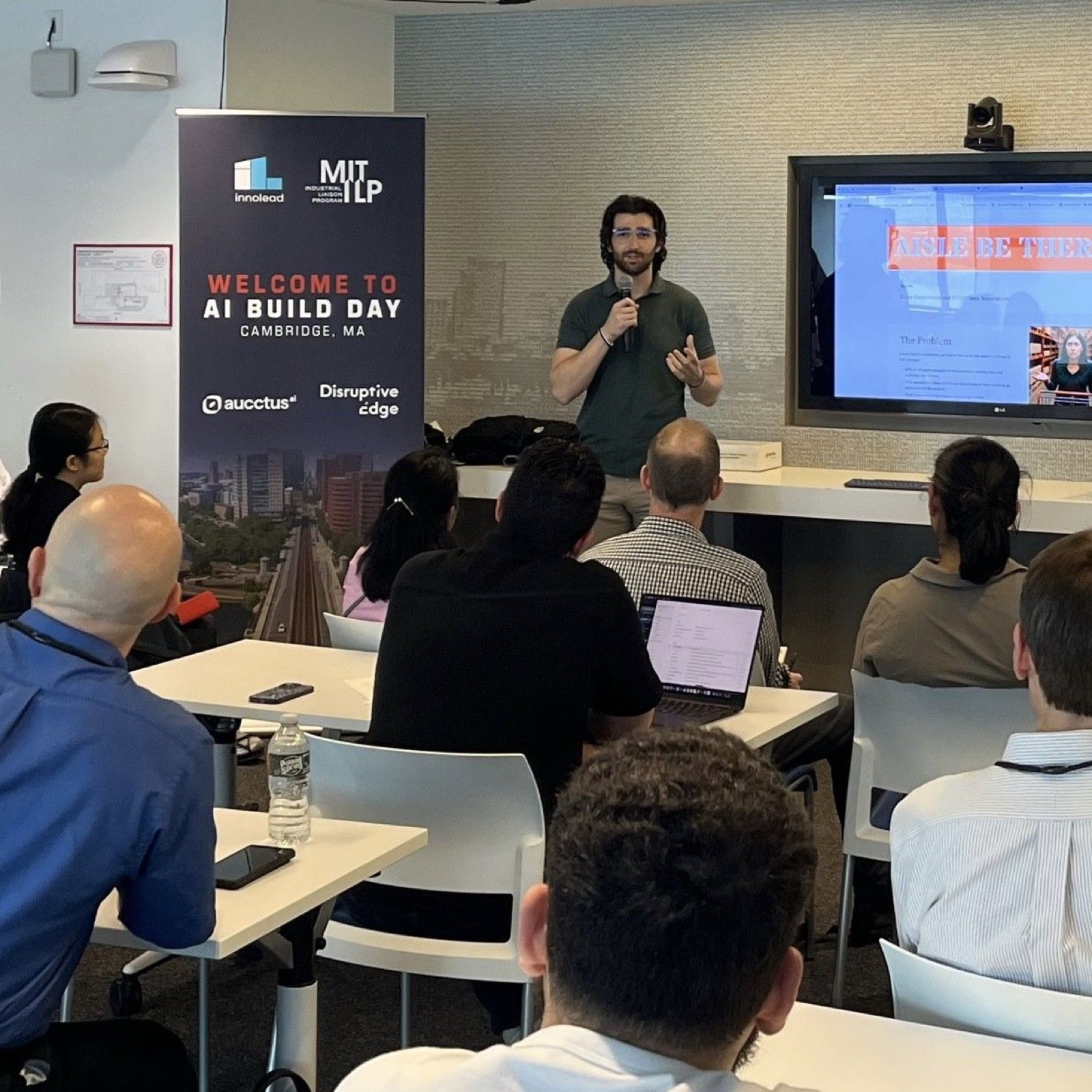
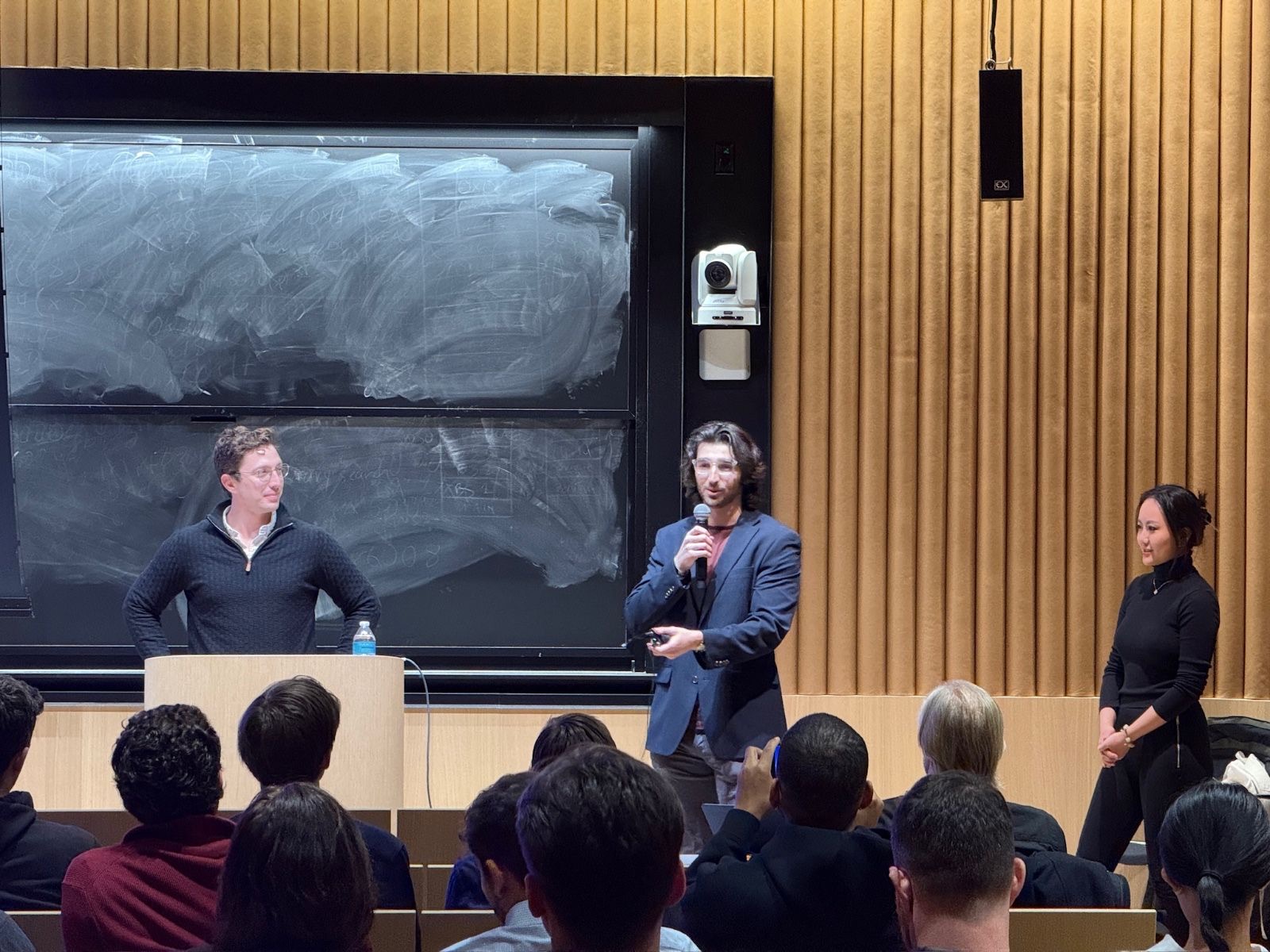
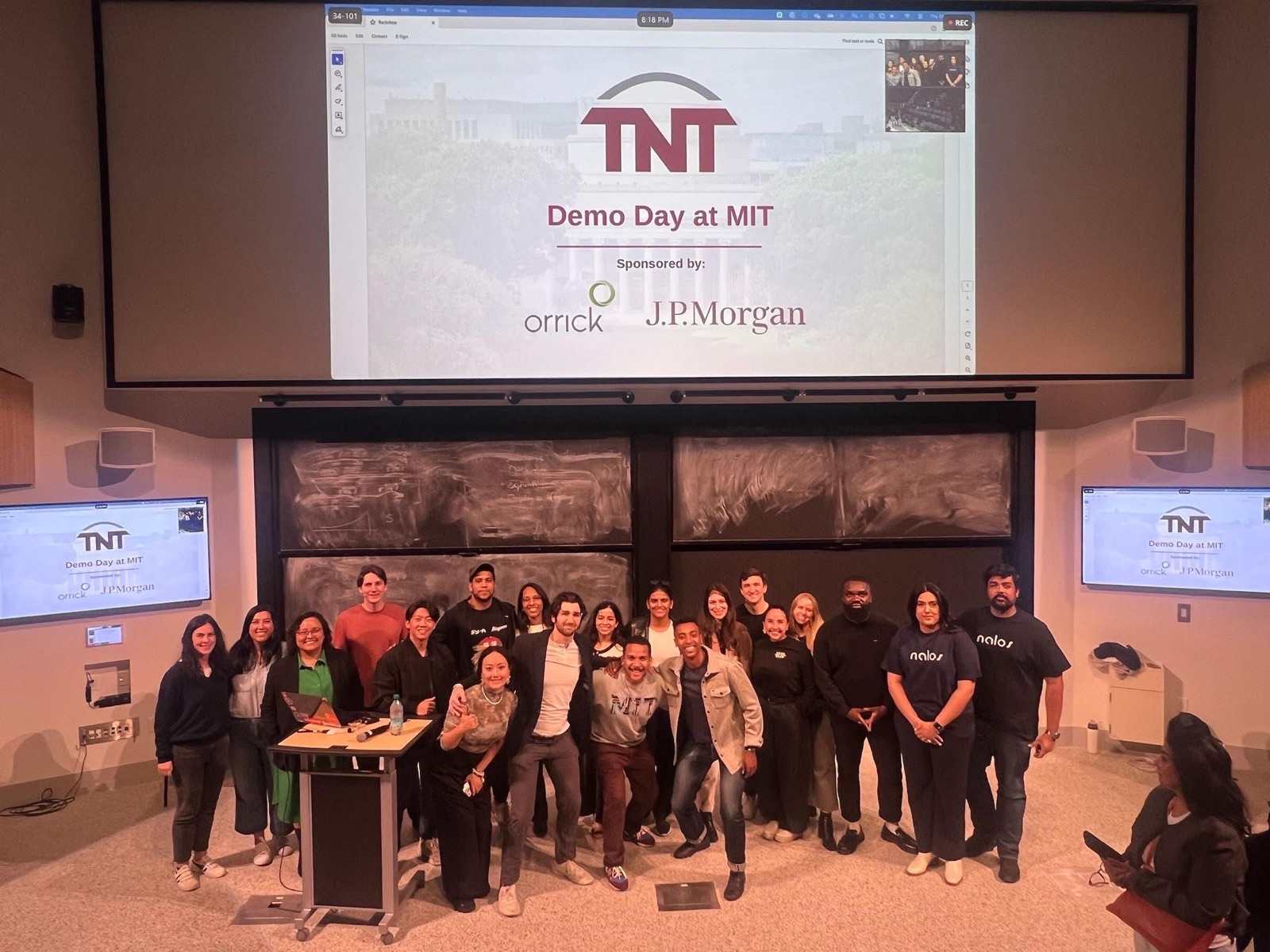
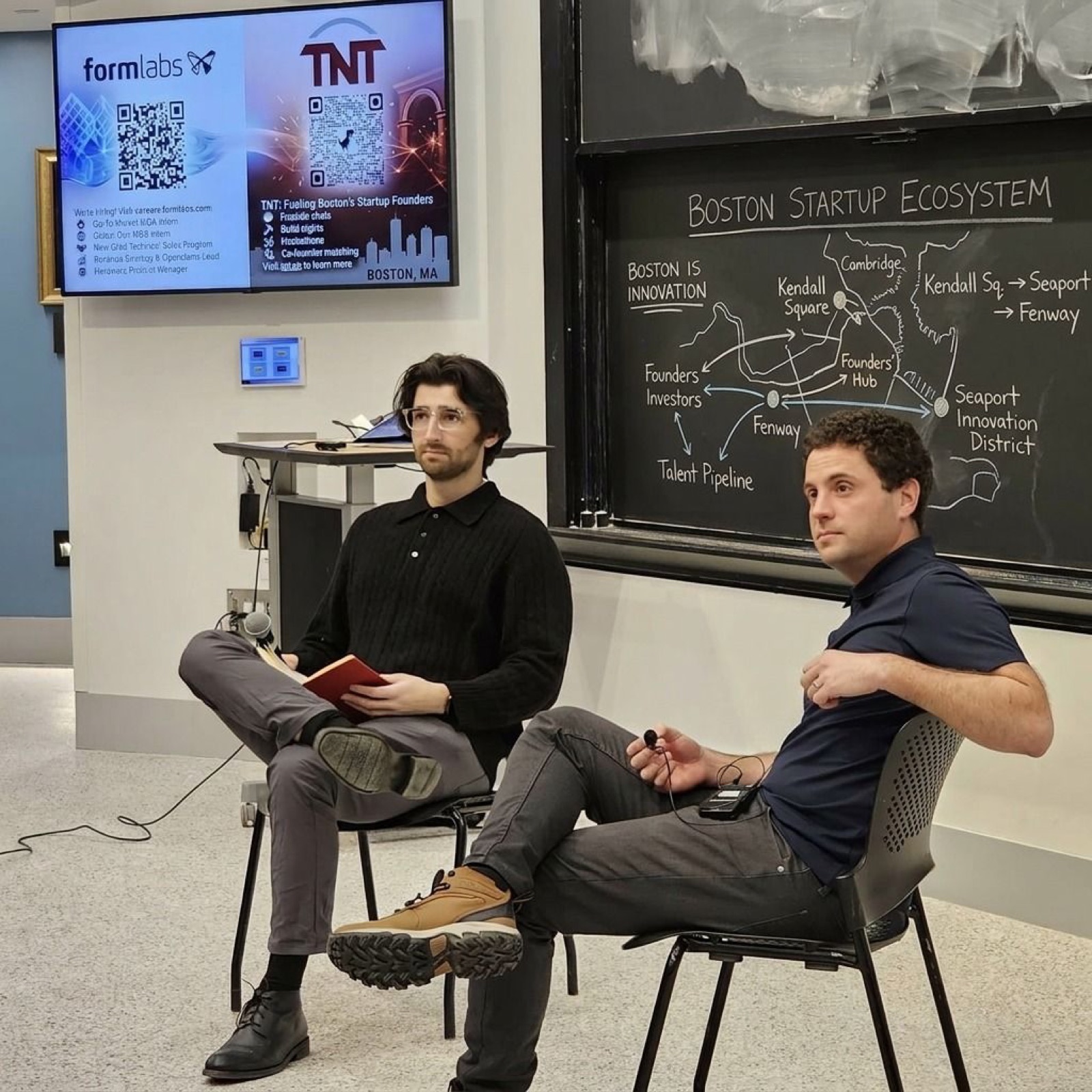
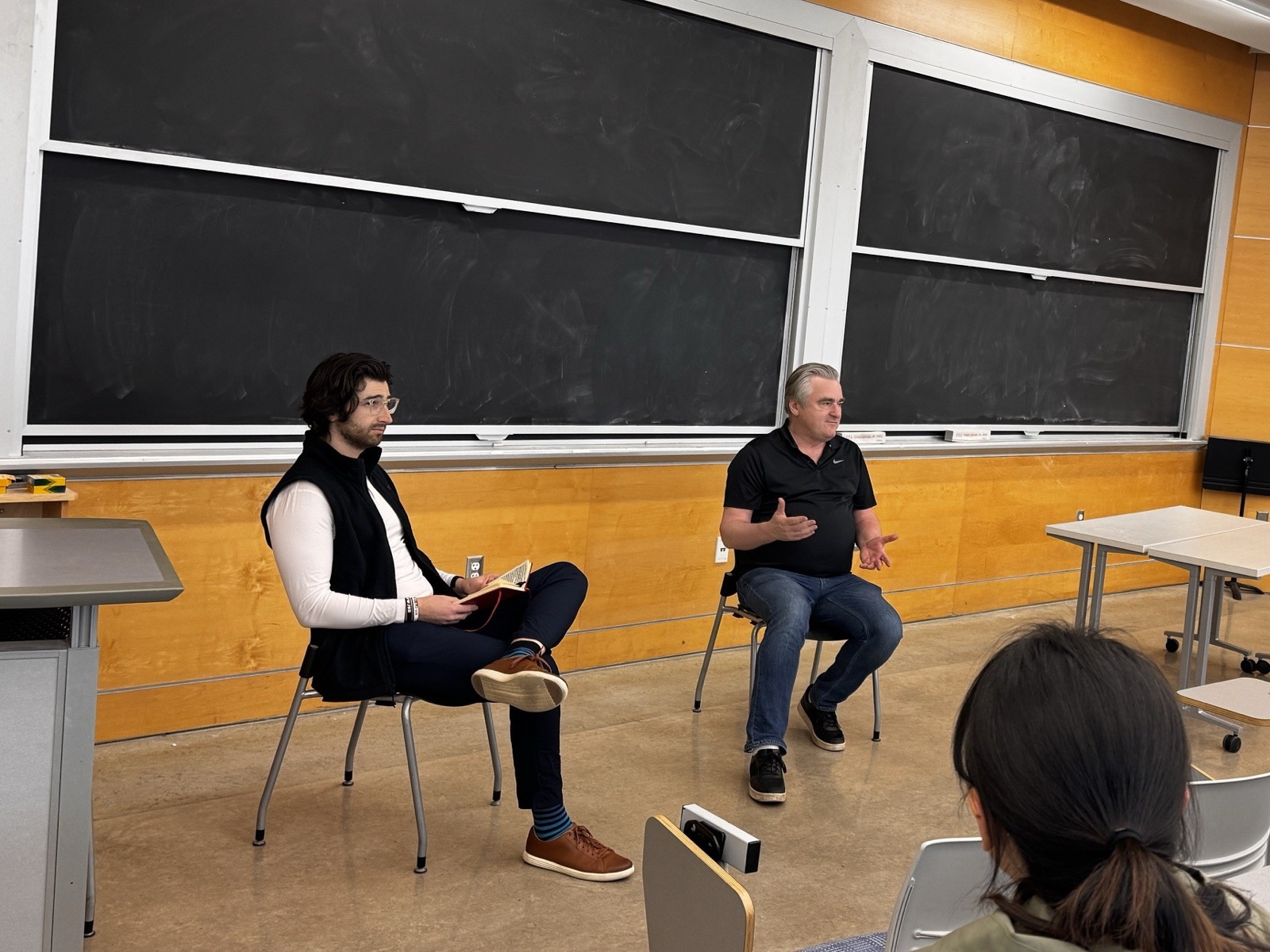
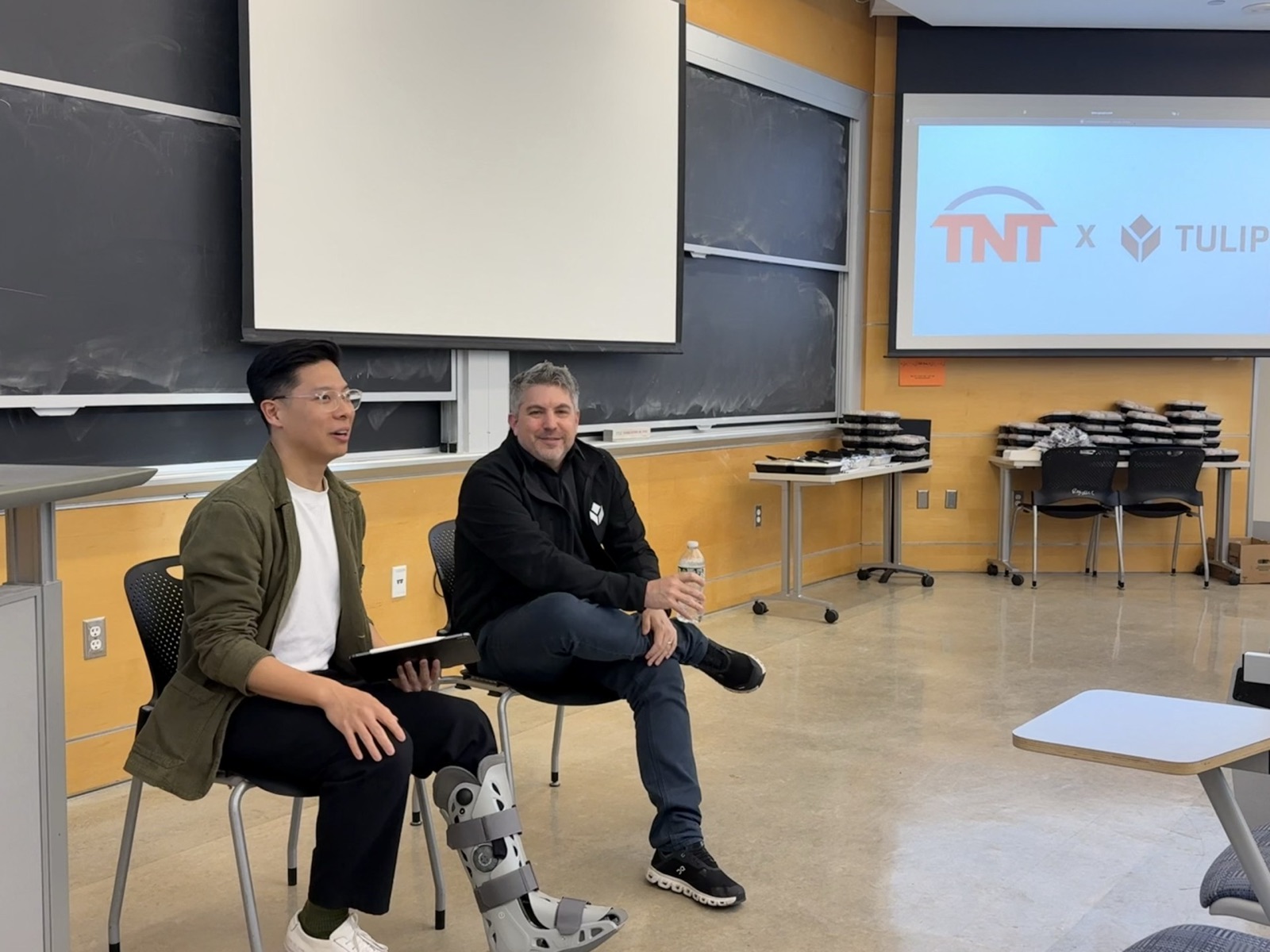
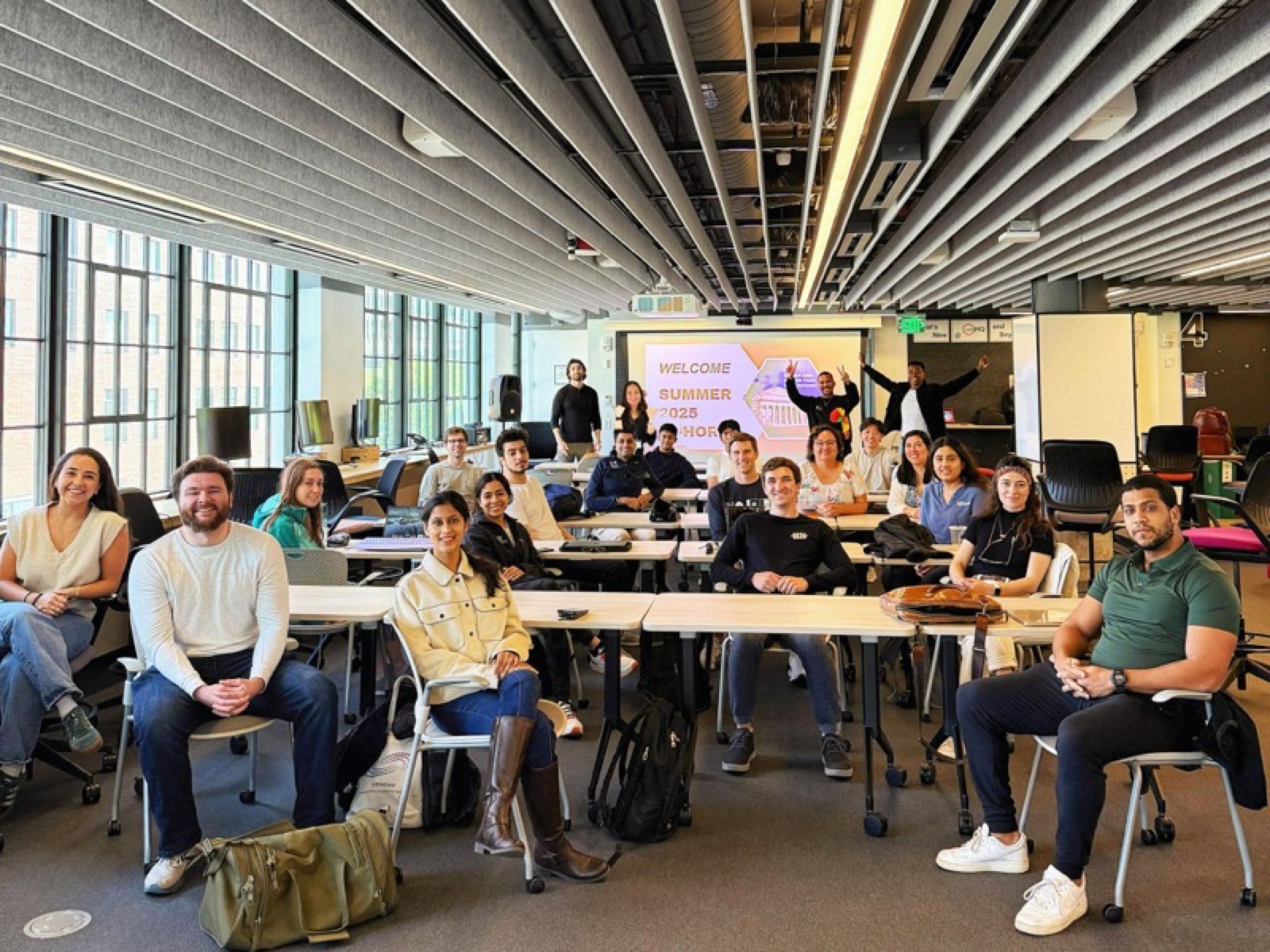
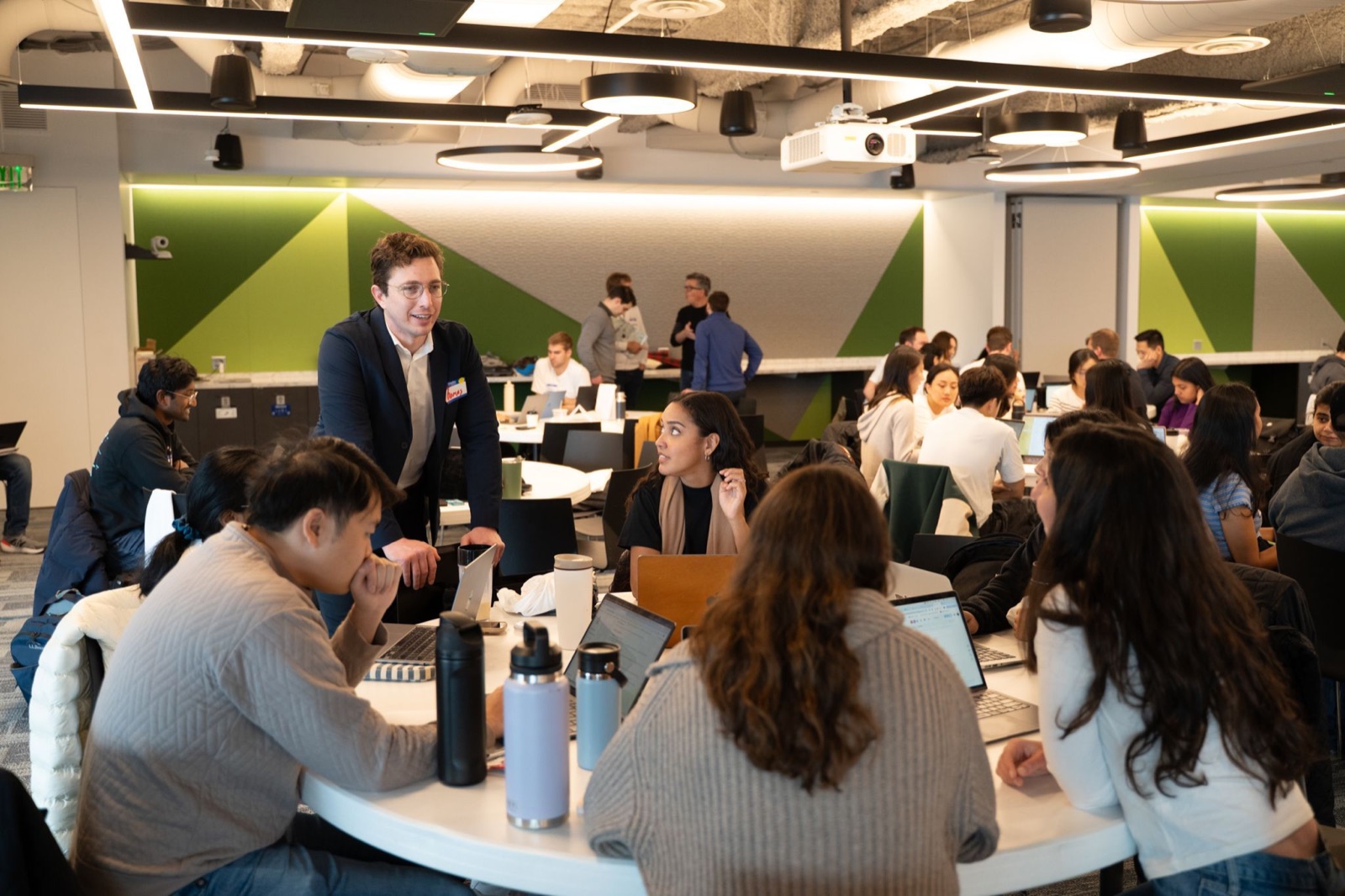
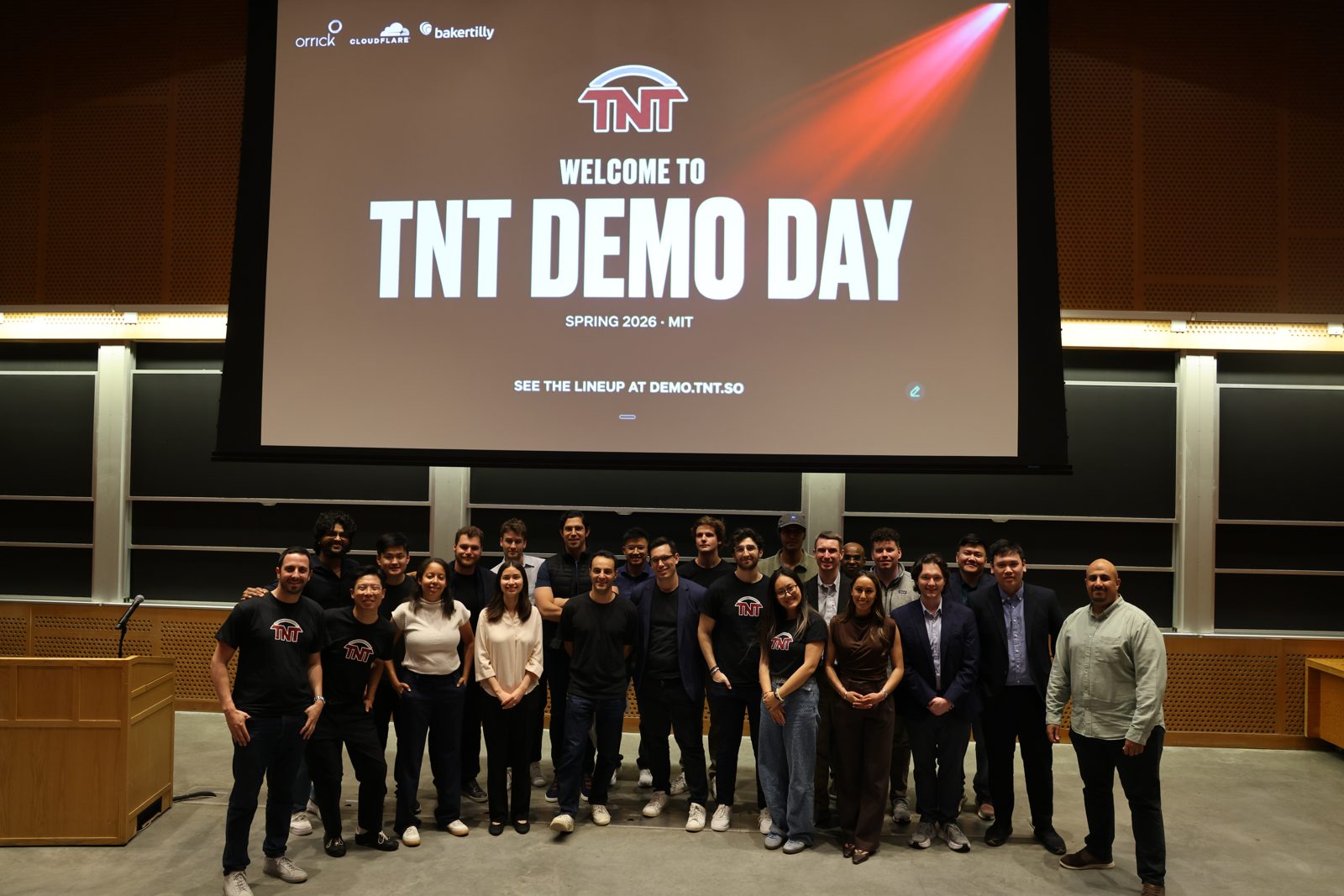
A program I run for MIT and Harvard founders: cohorts, partners, Build Nights and a demo day.
2025 to now · tnt.so ↗
I'm Rob. I'm building TNT, a program for MIT and Harvard founders. Before that I worked on AI strategy at Thinktiv. Most of my time goes to early-stage go-to-market, partnerships and the tools that hold it all together.

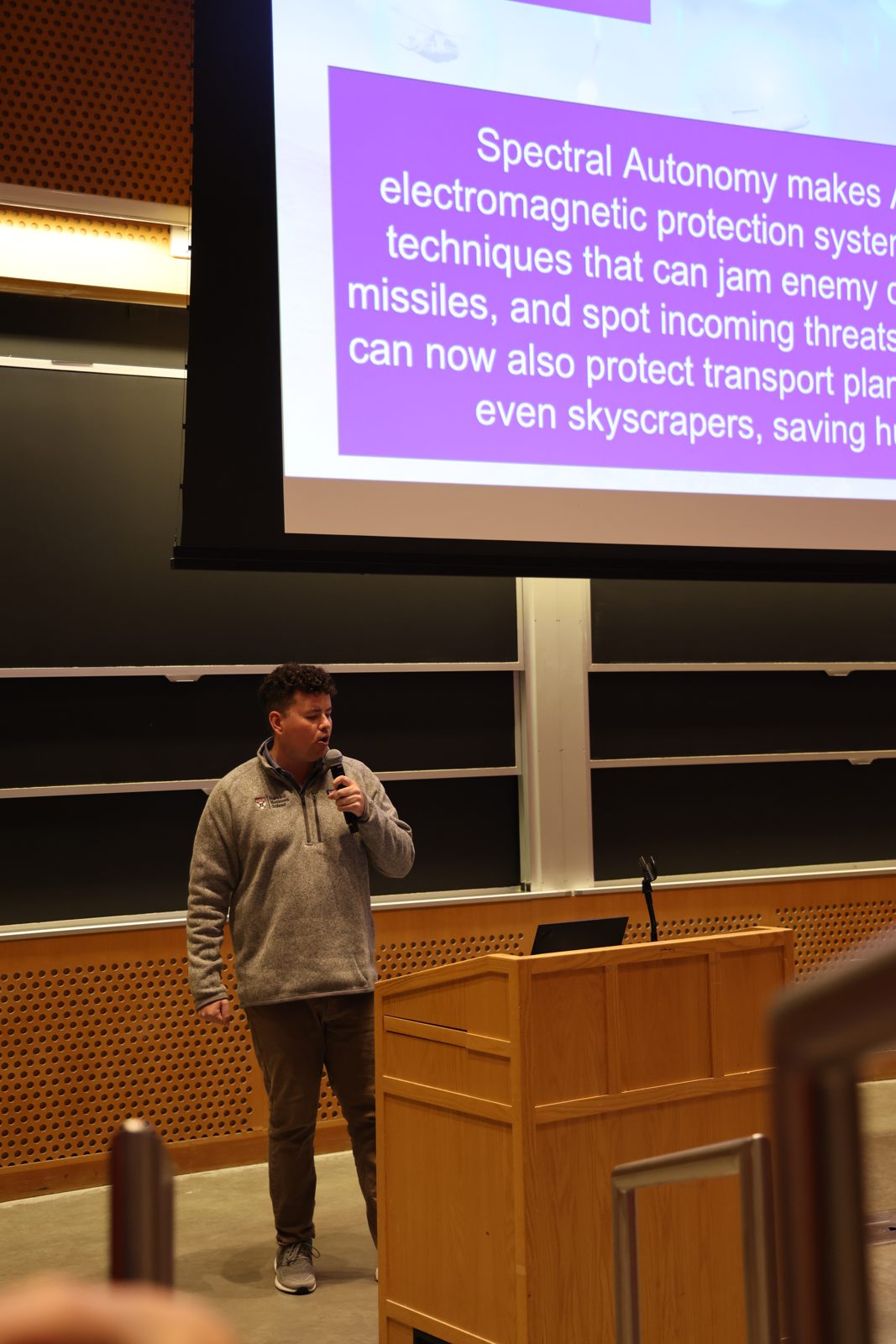
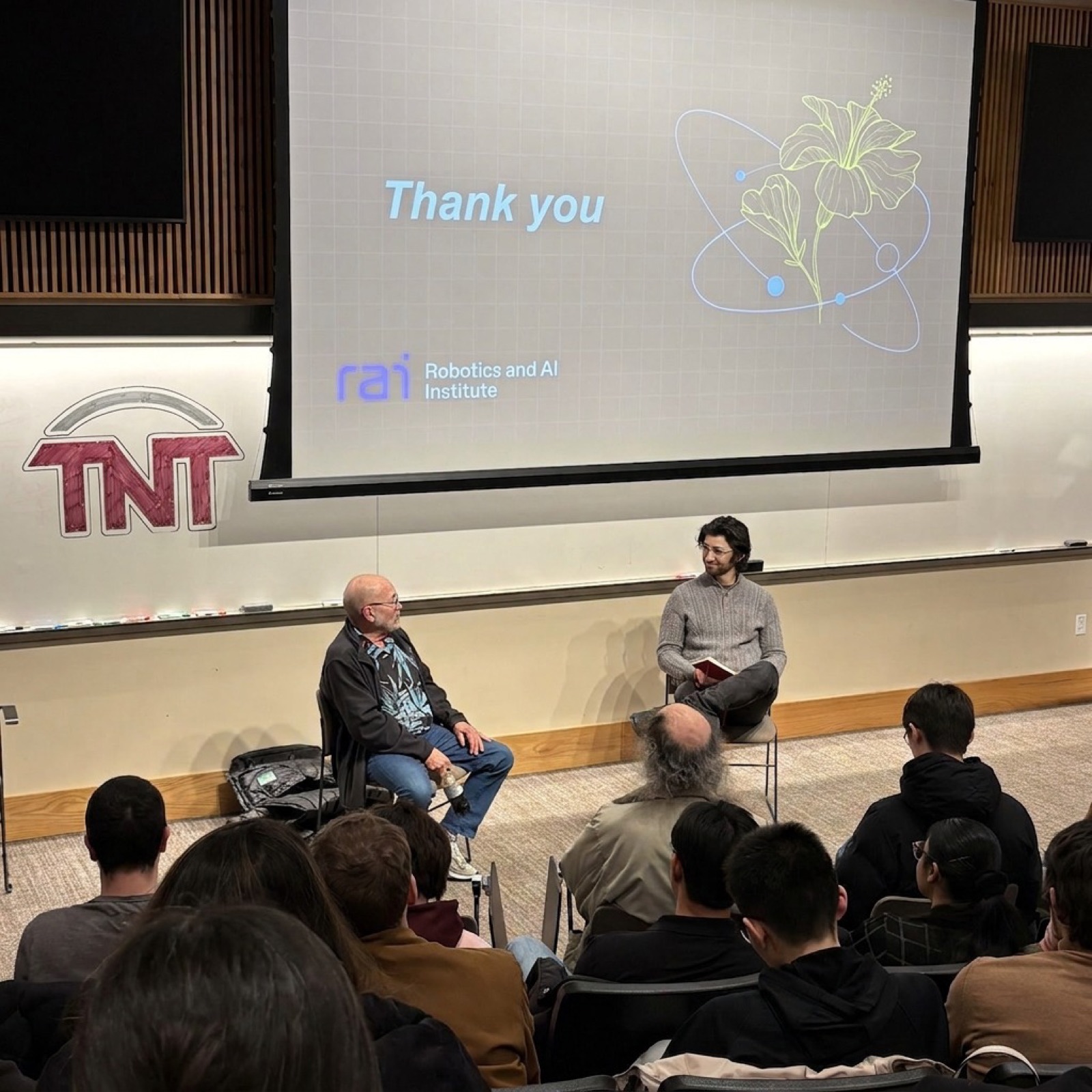
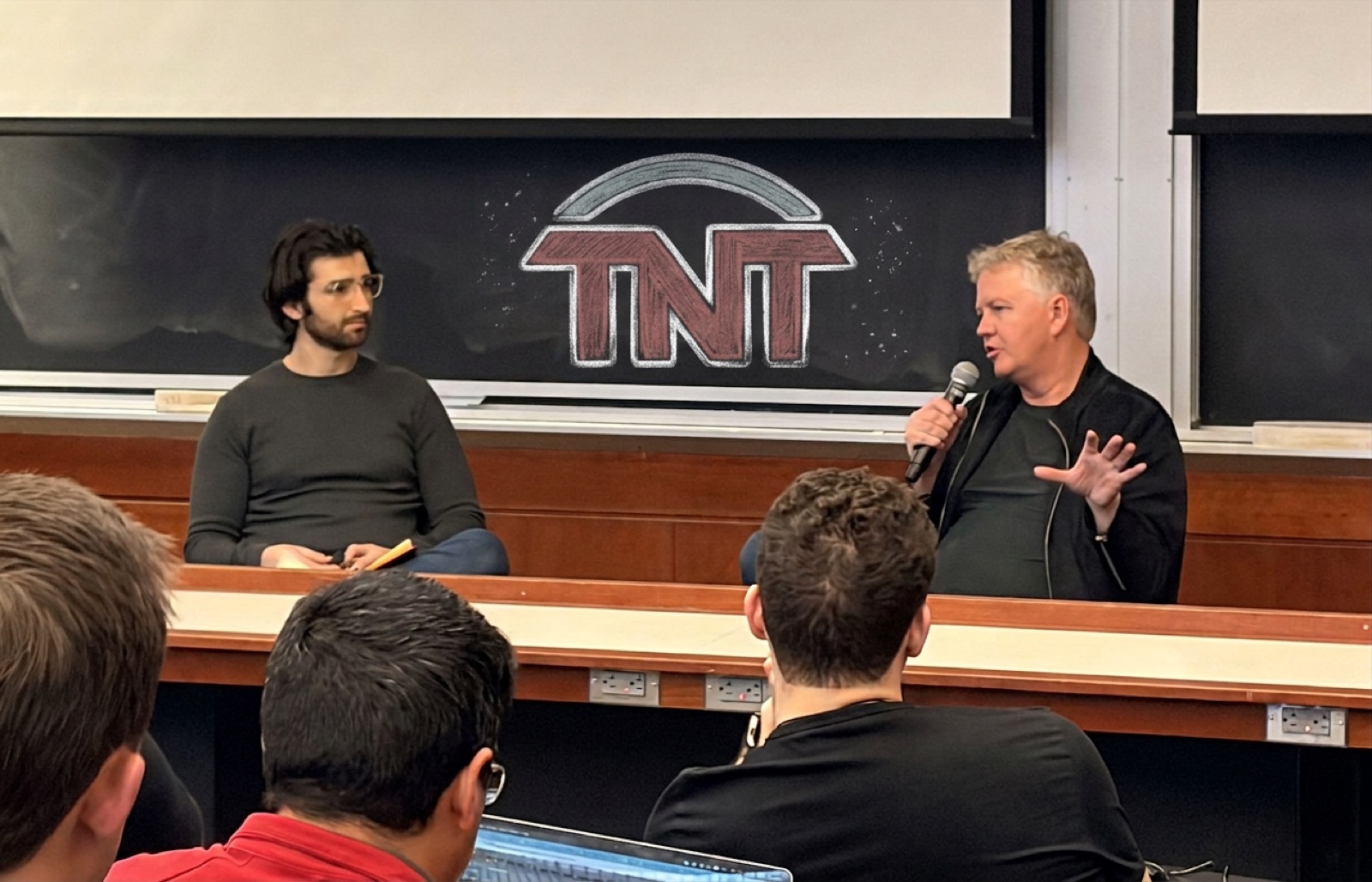
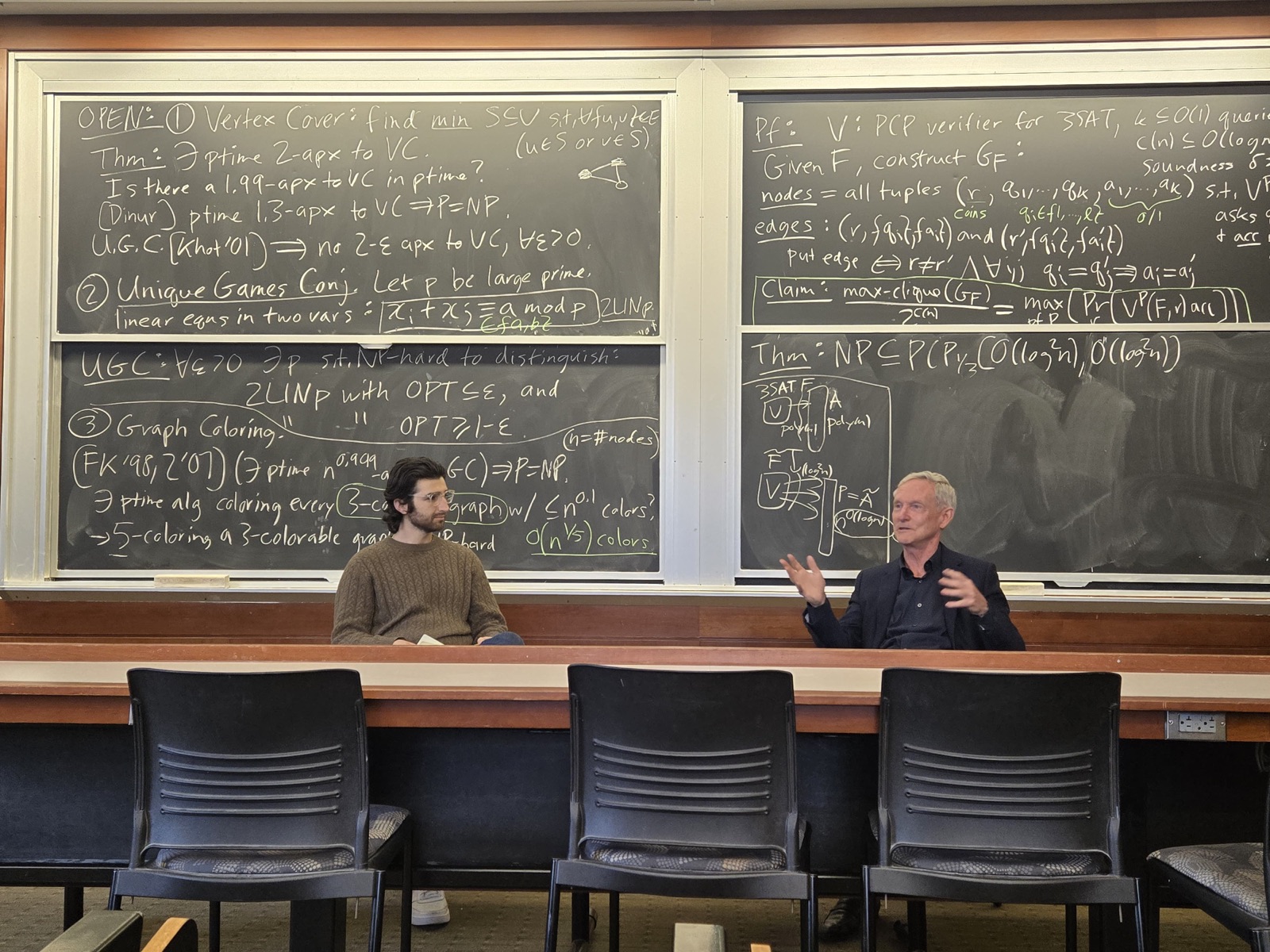
Built a $700K-per-company stack of credits and perks from Cloudflare, AWS, Google Cloud, Azure and others, and brought in firesides with Boston Dynamics, Suno, Cloudflare and Akamai.
Grew TNT to about 200 applications a cohort, helped AI startups think through positioning and first customers, and worked on AI strategy and go-to-market at Thinktiv.
Started TNT in 2025 and still run most of it myself: product, partners, selection and operations.
Built the software TNT runs on myself, mostly with AI tools.
Teams that came through TNT have raised $90M+. I know a lot of Boston and SF seed investors and like making the right intro.
That's not the whole list. At an early company I do whatever the week needs.
A program I run for MIT and Harvard founders: cohorts, partners, Build Nights and a demo day.
I built the tools TNT runs on myself, mostly with AI.
Credits and perks for each TNT company from cloud, legal and finance partners.
Started it in 2025. I run product, partners, selection and operations.
AI strategy and go-to-market for B2B and PE-backed companies.
Chief of staff at a venture-backed startup.
BS Finance and MA International Business.
All Photos
Boston · 2025 to now
In December 2024, I published “In Search of a Moat” and “The Appeal of Services as a Software,” exploring how AI was putting pressure on traditional SaaS and what might replace it. Fifteen months later, that question is at the center of a much bigger conversation. Y Combinator’s Spring 2026 Request for Startups explicitly calls for “AI-Native Agencies” built on this model. The broader venture ecosystem has followed. But I think the interesting story isn’t that VCs agree with each other. It’s that we’re watching a fundamental shift in how companies decide what to keep in-house and what to hand off to someone else.
Read the full post on Substack →
AI has flooded every major distribution channel with content.
Social feeds are saturated with AI-written posts, synthetic images, and auto-generated videos. Short-form platforms are filled with faceless clips and carousels optimized for volume rather than insight. In business contexts, outbound email has been transformed by tools that promise infinite personalization at near-zero cost. Creation has never been easier.
The problem is not that the content is bad. The problem is that it is indistinguishable.
Read the full post on Substack →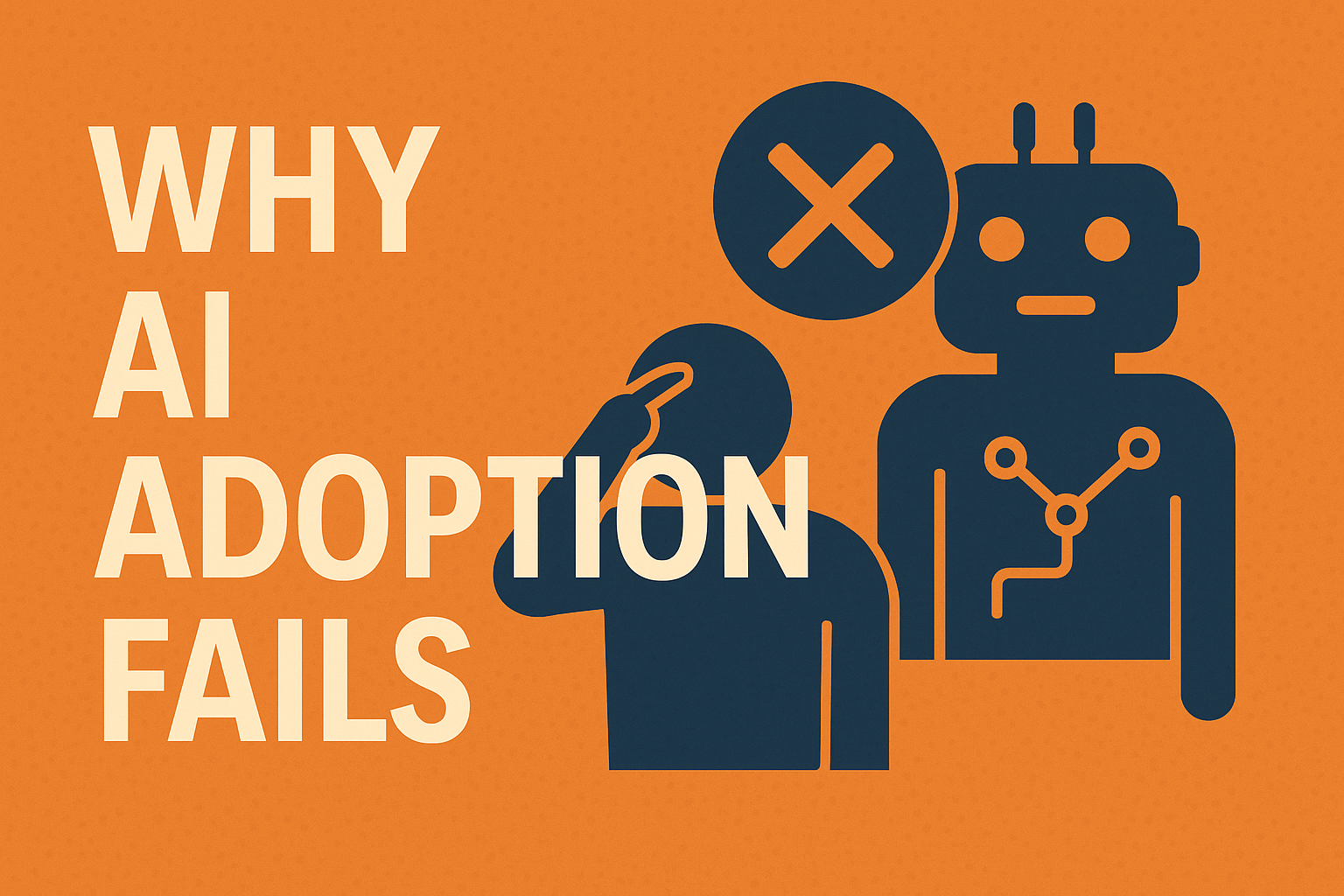
AI tools are improving fast. Models are smarter, APIs are cheaper, and every week someone launches a product that looks like magic.
Companies that choose AI tools wisely are racing ahead. But many are getting burned by tools that overpromise and underdeliver – wasting time, money, and credibility along the way.
Sometimes the demo doesn’t match the real product. But more often, the challenge is internal: picking the wrong use case, or not being ready for AI in the first place.
Read the full post on Substack →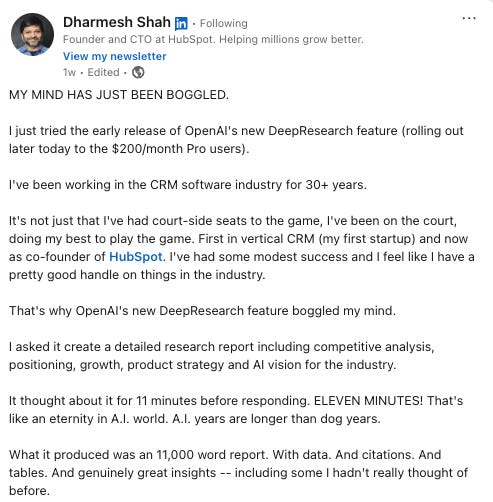
Market research isn’t completely dying, but it’s being rewritten. AI has taken a wrecking ball to traditional methods, and the dust is still settling. The question now is: will you adapt, or be left behind?
With the advent of AI-driven research tools like OpenAI’s Deep Research and Google Gemini 1.5’s Deep Research (this industry isn’t known for creativity in naming), the process of gathering insights has been revolutionized.
While OpenAI’s version is still in its infancy, with most reports being hearsay, Google’s Deep Research is already demonstrating its power—despite limited publicity. A simple search query generates an action plan, which the AI then executes by visiting numerous websites, aggregating data, and transforming it into a meaningful report. These are incredibly powerful tools poised to fundamentally reshape how market research operates.
Read the full post on Substack →
AI isn’t just speeding up how we bring products to market—it’s flipping the playbook on its head. What used to take months or even years—researching, prototyping, testing, iterating—can now happen in weeks. With AI tools, we’re not just working faster—we’re working smarter, unlocking frictionless ways to build, refine, and launch. The question is no longer just what to build or how to build it—it’s how to get your products into users’ hands faster than ever.
But with speed comes complexity. The rapid pace of development brings about new challenges, particularly for traditional go-to-market strategies, which now need a refresh. Some rising trends will be amplified in the wake of AI - like building a personal brand or cultivating a community. These have been winning strategies for years but now AI is making them critical, because products can quickly be brought to a major stage. What’s clear is this: if you want to scale effectively and build trust at speed, you’ll need to lean on three strategies.
Read the full post on Substack →
The age of traditional SaaS dominance is over. AI is dismantling moats and leaving companies scrambling for a new edge, as I explored in my last article, "In Search of a Moat: The Decline of B2B SaaS." The rapid advancement of AI technologies is eroding the competitive advantages that once protected SaaS companies, making differentiation increasingly challenging in a sea of emerging startups. As businesses navigate these shifting dynamics, a new and enticing paradigm is emerging—"services as a software."
Services as a software refers to a business model that combines the scalability and automation of software platforms with the personalized expertise and support of human services. Unlike traditional SaaS, which relies solely on recurring subscriptions and standardized features, this model integrates tailored service delivery directly into the software, providing clients with customized outcomes, ongoing engagement, and a hybrid solution that leverages both human and AI-driven capabilities.
Read the full post on Substack →
The SaaS model has defined a generation of B2B tech startups. It’s brought a steady stream of revenue to companies, scaled seamlessly, and transformed business technology. But in today’s rapidly evolving AI landscape, the foundation of B2B SaaS is shifting. AI accelerates product development, disrupts pricing structures, and creates a complex environment where differentiation is increasingly challenging. The B2B SaaS model itself may not be “dead,” but it is fundamentally changing—and startups must evolve to survive.
Read the full post on Substack →
In today’s AI-driven world, it is absolutely essential for all founders to be AI-native. Every founder should know how to leverage AI tools to scale their efforts and grow their business. While the bulk of public attention has been paid to coding tools like Cursor that accelerate software development, the impact on business operations is potentially even more profound—and far less discussed.
Non-technical founders who can go beyond basic prompt engineering and truly understand how to identify and maximize the use of AI tools are the ones who will drive real value for their startups from the outset. These founders recognize that AI is a dynamic tool that works best through a delicate, iterative process—more of a dance than a magic box that immediately delivers the right answer. Like a maestro conducting an orchestra, these founders have a vision of what excellence looks like and use AI as a tool to shape and refine their projects through constant iteration. AI now enables us to fully embody the “move fast and break things” mentality, allowing founders to iterate at unprecedented speed while fine-tuning every step of the process.
Read the full post on Substack →
Arthur Clarke’s quote, "Any sufficiently advanced technology is indistinguishable from magic," is particularly relevant when discussing artificial intelligence (AI). Today, when we hear “AI,” most of us think of Generative AI and the advancements from companies like OpenAI and Google. However, by focusing solely on Large Language Model (LLM) providers, we overlook the many emerging product companies that are leveraging AI within their applications to provide enhanced experiences. Startups building with AI should be cautious about imitating the go-to-market strategies of leaders like OpenAI (or any LLM provider). Instead, they should adopt best practices for marketing and messaging, while balancing AI-specific considerations. Below are 4 key practices for messaging an AI startup:
Read the full post on Substack →
Imagine relying on a machine to make decisions that could shape your career or safeguard your health. As AI technology continues to advance, we stand at the crossroads of a new era where life itself will become entwined with AI. We face a near-term future where we must strike a delicate balance of how and when to use AI. Two pivotal elements bridge the gap to full AI adoption in the future: trust and experience.
Unlike humans, who learn from the ups and downs of life, AI systems are trained on vast datasets without ever experiencing the world firsthand. They don't understand trust because they've never been betrayed or rewarded by it. This fundamental difference prompts an important question: how can we place our trust in machines that lack the intrinsic experiences that shape human trust? As AI becomes more integrated into our lives, grappling with this dilemma will be essential for our future success.
Read the full post on Substack →
As generative AI technology races forward, mastering systems thinking has become indispensable. Large language models (LLMs) like ChatGPT boast impressive capabilities, yet their current applications often fall short of delivering the results users want with a single, well-crafted prompt. While some envision autonomous AI agents in the near future, to most users, LLMs in their current form are little more than thought partners at best, and at worst, lyrical masterminds spinning haikus about folding laundry.
Systems thinking is the essential skill to bridge the gap to more advanced AI agents. While LLMs can produce seemingly coherent and structured outputs, to truly trust and utilize these outputs, a requisite level of expertise about the subject is necessary. Since LLMs cannot predict exactly what you're thinking, they often lack the context needed to provide accurate answers. Effective prompting addresses this by surfacing relevant content and subsequently querying the LLM.
Read the full post on Substack →